
Therapy Office Decor for a Space You’re Proud to Practice In
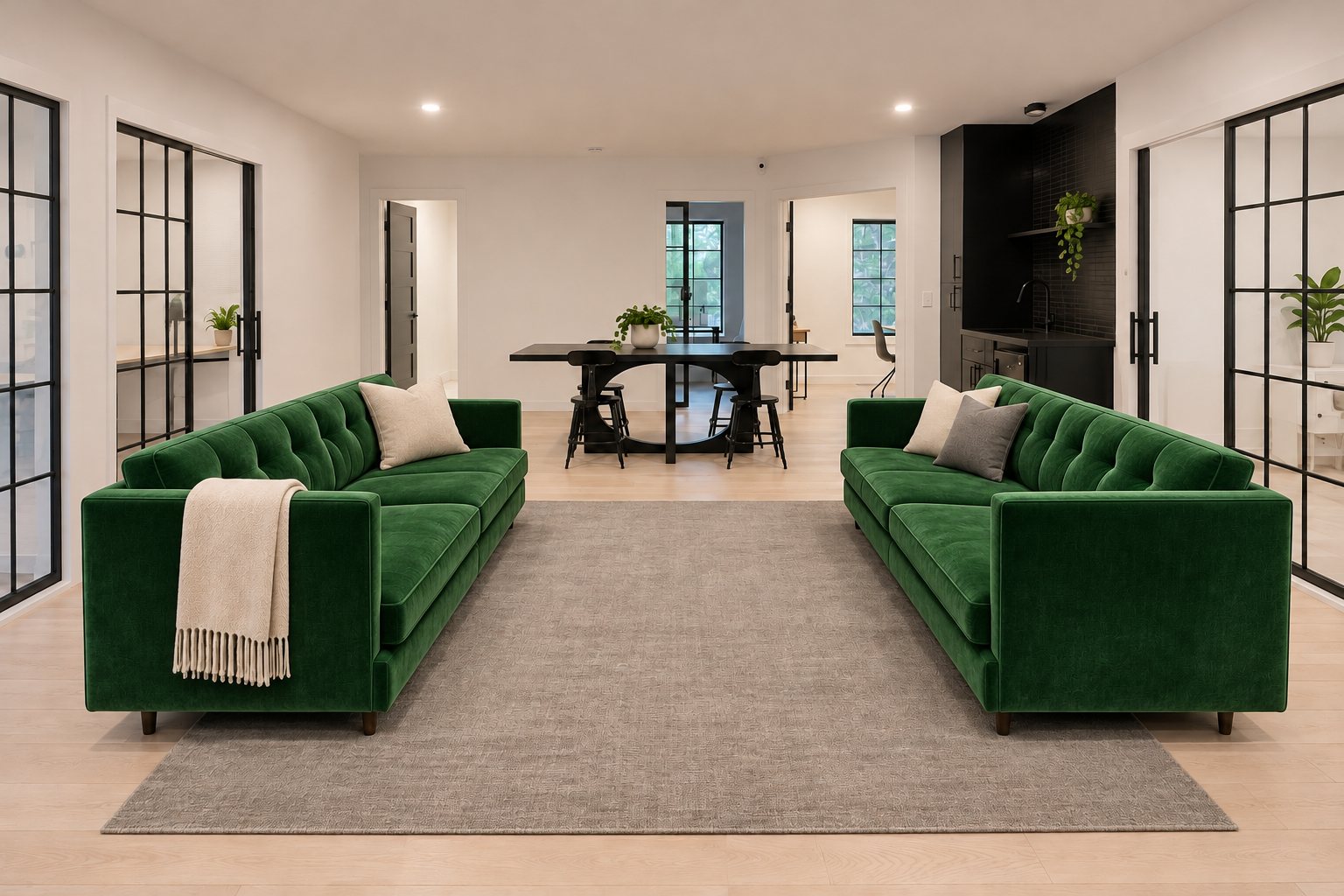
Opening your own practice comes with a surprisingly long list of decisions about chairs. You have a clinical approach, a professional identity and a fairly clear idea of the work you want to do. Whether that sofa is comfortable after forty minutes is a different research project.
Good therapy office decor makes the room pleasant to spend time in and easy to use. A modern space can feel warm through its materials, light and artwork, with enough personality to be memorable. The decisions deserve more thought than buying everything pictured together on a retailer’s website.
Before you start collecting therapy office decor ideas, consider how someone will experience the room from the seat where the conversation happens.
Start with the view from the client’s chair
Sit in every client seat before you decide where anything belongs. Notice the door, the windows, the clock and the objects directly in front of you. Check whether a table corners you into the sofa or a lamp shines into your eyes. Something that looks balanced in a photograph can be awkward to sit beside.
Research-based guidance for trauma informed talking therapy assessments identifies visible exits, privacy and choices about seating and lighting as relevant features of the environment. In your room, keep the route to the door clear and offer seating options where space allows.
A quiet, readable clock can give clients the option of checking the time without asking you. Place it where it is easy to see without making it the visual center of the session.
For seating, circulation and sound privacy, our therapist office layout guide walks through the room in more detail.
Give a neutral room some warmth
A neutral palette gives you room to work with texture and materials. Warm white walls, natural wood and a woven fabric can provide a simple foundation. A deeper green chair or a painting with some color keeps the room from becoming an exercise in matching beige.
Test paint samples in the room at different times of day. Look at them beside the flooring and upholstery. The appealing cream on a sample card may look yellow under your lamps or gray against the couch.
Treat color as a design decision that deserves feedback. A particular shade will not suit every client or every therapist. Start with what works in the space, then pay attention to how people experience it.
Choose therapist office furniture by sitting in it
Therapist office furniture has to work for longer than the first impression. A deep, low sofa can look beautiful and still make standing up difficult. An accent chair may be comfortable for five minutes and considerably less appealing halfway through a session.
Try the seats yourself. Consider support, seat height, depth and whether different seating options would better serve your clients. Check that upholstery can tolerate regular cleaning. Give people somewhere within easy reach to set down water, tissues or a bag.
Measure before ordering, including the space furniture occupies when someone is using it. The U.S. Access Board’s guidance explains the importance of clear approach space at accessible features. Preserve usable circulation when adding side tables, baskets and lamps. An attractive room should remain straightforward to move through.
Use lighting you can adjust
Look at the room during an afternoon appointment and after sunset. A bright overhead fixture may be useful for cleaning while feeling harsh during conversation. Table and floor lamps can help you adjust the light for the work and the person in front of you.
The VA’s outpatient mental health design guide recommends controlling daylight to reduce glare while preserving privacy, along with dimming in patient spaces. Consider that flexibility when choosing lamps and window coverings.
Check reflections from the client seats. A bulb reflected in framed artwork or sunlight bouncing off a glossy table can become a distraction you missed while standing in the doorway.
Choose artwork with a point of view
Original art can give a therapy office character without filling every available surface. An oil painting brings depth and brushwork; a mixed media piece can add texture and a sense that someone made deliberate choices for this room.
Find work you would want to spend time with. Consider its scale, imagery and position from the client’s perspective. A confrontational face, disturbing scene or visually crowded composition deserves particular thought in a room where people may already have a great deal on their minds.
There is room for abstraction and personality. Look at the individual piece rather than assuming a whole category of art is suitable or unsuitable. Ask for feedback and be willing to move something that distracts clients.
A study by Nasar and Devlin examined college students’ impressions of psychotherapy offices from photographs. Softer, more personalized and orderly rooms received more favorable ratings. Those were impressions, rather than measured therapy outcomes, but they give room design some useful attention beyond appearance alone.
Let rugs and texture support the room
Texture can keep clean, modern therapist office design from feeling bare. Upholstery, wood grain and a carefully chosen rug provide visual interest without requiring a collection of decorative objects.
For a rug, look for a manageable pile, a secure placement and a pattern that sits comfortably with the rest of the space. Strong optical effects, curled edges and long fringe can create more work than the room needs. Check how a chair moves across it and whether it complicates access.
Leave some surfaces open. A few objects selected with care have more presence when they have space around them. Every side table does not need its own small arrangement.
Notice what the room sounds and smells like
Spend a few minutes in the office without talking. Listen for a ticking clock, rattling vent, hallway conversation or music from the neighboring room. Check how much a voice carries with the door closed. Soft furnishings can change the sound of a room, but privacy problems deserve attention to the building and doors.
NHS England’s guidance for inpatient mental health care emphasizes differing sensory needs and involving people in decisions about their surroundings. In a private practice, asking about light, temperature or sound is a practical way to learn what needs adjusting.
Keep fragrances modest or leave them out. Your favorite diffuser does not need to become a condition of attending an appointment.
Keep trauma-informed design grounded in choice
SAMHSA’s trauma informed principles emphasize safety and people’s voice and choice. Apply that attention through the way you use the room: offer another seat, ask about the lighting and make it easy to mention discomfort.
Walk through the space periodically. Replace the cushion that has lost its support, tighten the loose table leg and move the object people keep navigating around. A room remains thoughtful through the attention it receives after opening day.
A furnished office can give you a head start
The Therapist’s Den in East Nashville has an artist-designed interior with original oil paintings and mixed-media work. The building was renovated in 2021, and the furnished therapy offices give independent therapists a considered place to welcome clients.
You can see the space to get a feel for the rooms or explore our furnished therapy office rentals in Nashville. The therapy office package includes three recurring full office days each week for $1,100 per month, along with an individual maintained website, ongoing marketing, and EHR, scheduling and payment systems set up and managed.
Come take a look and sit in the chairs. That part of the decision is easier in person.